Phnom Penh, serving Cambodia and the region

Industry

Steady air and cold water for faster cycles and cleaner parts

Compressed air for plastics and packaging plants has to deliver steady pressure to moulding, blowing and packing machines, while chilled water holds mould temperatures and cycle times. Nexus Turnkey designs the compressor hall, treatment, chillers and blowers as one utility, sized to your machines and shifts. We also tackle mould sweating in humid halls, recover compressor heat where there is a use for it, and put energy per part on one screen.

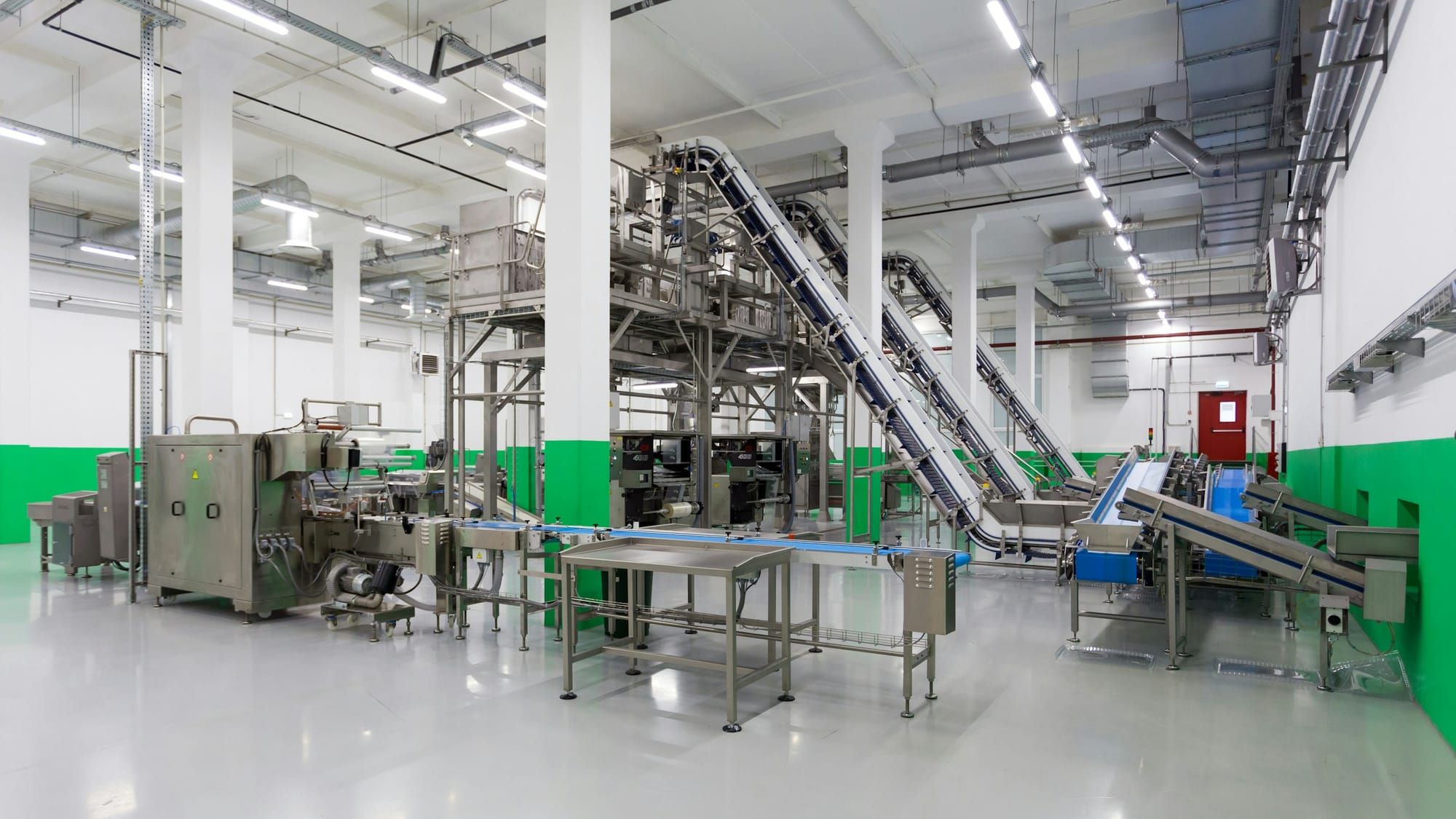
Clean packaging hall with conveyors and stainless steel machines
Factory cross-section highlighting the air services used in Plastics & packaging: Compressed air, Air treatment, Dehumidification, HVAC & chillers, Blowers, Monitoring (AirSight). PRODUCTION HALLN₂+
Fig. · Factory cross-section, air services

Plastics & packaging

Compressed air for plastics and packaging

A plastics plant converts electricity into air, cold water and heat. The lens follows compressed air to moulding, blowing and packing machines, chilled water to the moulds, dry air around chilled tools to stop sweating, and blowers for conveying pellets and drying products, with energy measured per kilogram or per part.

Air services in focus: Compressed air, Air treatment, Dehumidification, HVAC & chillers, Blowers, Monitoring (AirSight).

Explore plastics & packaging

The challenge

Plastics and packaging plants run machines that are hungry for compressed air and chilled water. Injection moulders, extruders, thermoformers and stretch blow moulders set the cycle time, and cycle time sets output. Pressure that sags when several machines draw at once causes rejects. Chilled water that drifts warm lengthens cycles. In a humid hall, chilled moulds sweat and mark the product. Heat from compressors and chillers often goes to waste while the plant heats water by other means.

The air services a plastics plant needs

Compressed air is planned in pressure zones. The main hall runs at the lowest stable pressure, with a VSD trim machine and a sequencer. High-pressure blowing air gets its own package. Each zone has treatment sized to its duty. See compressed air systems and air compressors.

Process cooling comes from chillers and cooling towers in the HVAC and chillers range, sized to the mould and hydraulic loads. Dehumidifiers around chilled tools stop sweating. Blowers handle pellet conveying, air knives and product drying.

Heat recovery from oil-injected compressors can pre-heat process or wash water. Read compressor heat recovery to see when it pays.

Metering compressed air, chilled water and power lets you track energy per kilogram or per part. That is the basis of energy optimisation. Savings are project-specific. We measure them against a baseline and verify them after implementation; we don’t promise a blanket percentage.

What we check first

Plastics plants usually have more air and cooling capacity than they need, but not where and when they need it. Our survey looks at four things.

  • Pressure at the machine against pressure at the compressor. A large gap points to restrictions, undersized drops or clogged filters. Fix those before raising the setpoint, because every extra bar costs energy around the clock.
  • Demand when production stops. Compressor load at breaks and weekends shows leaks and open blow-offs. The leak cost calculator puts a figure on it.
  • Chilled-water supply temperature and temperature difference. A small difference across the moulds with pumps at full speed means water is circulating without doing work.
  • Where heat could be used. Wash water, pre-heating and office hot water are the usual candidates for recovered compressor heat.

Each finding goes into a ranked list with the measurement behind it, so you can decide what to fix first.

Standards that apply

Typical scope

PackageWhat it usually includes
SurveyDemand and pressure logging per machine group, leak survey
Compressed airZoned generation, VSD trim, high-pressure package, treatment
CoolingChillers, cooling towers, pumps, mould-area dehumidification
EnergyHeat recovery, metering, energy per part

Check what a lower setpoint is worth with the pressure reduction savings tool, then book an air audit.

Scope

Relevant standards

Standards that commonly shape this industry's air
StandardWhy it matters here
ISO 8573-1:2010Purity classes for compressed air. Blow-moulding air that forms the inside of a food or beverage container needs a tight class.
ISO 11011:2013Compressed-air energy assessment method, useful where compressed air and chilled water dominate the power bill.
We design to the standard your process requires. Nexus describes these standards; it does not claim certification against them.

FAQ

Questions engineers ask us

Why do our moulds sweat, and how do we stop it?

When chilled mould surfaces sit below the dew point of humid hall air, water condenses on them and marks parts. The options are to raise the mould temperature, which costs cycle time, or to dry the air around the mould. Local dehumidification often keeps both cycle time and part quality.

Can we recover heat from our compressors?

Usually, if there is a use for low-grade heat, such as washing water, process pre-heating or boiler feed. The US Department of Energy notes that most of a compressor's electrical input becomes heat and that much of it can be recovered with the right design. We check the heat demand first.

Should high-pressure blowing air come from a separate compressor?

Generally yes. Raising the whole plant to blowing pressure wastes energy. A dedicated high-pressure package or booster, with its own treatment, serves the blow moulders while the main hall runs at the lowest pressure the other machines accept.

Next step

Measure what your air and cold water cost per part

Share your machine list and shift pattern. We will show where compressed air, chilled water and heat are being wasted.

Start typing to search